Forensic Science Technician: Career Overview
Every crime scene tells a story, but they rarely speak for themselves. It takes trained professionals to uncover the details, analyze the evidence and reconstruct what really happened.
This is where forensic science technicians play a critical role. These professionals work behind the scenes of criminal investigations, using science and technology to collect and interpret evidence.
If you are drawn to investigative work and have an interest in science, you may be interested in what the field involves and how to get started. The role combines hands-on fieldwork with detailed laboratory analysis, making it both challenging and rewarding.
Find out what a forensic science technician does, including work environments, salary and job outlook and how a Bachelor of Science (B.S.) in Criminal Justice can help prepare you for a rewarding career in this field.
What Does a Forensic Science Technician Do?
Forensic science technicians collect, analyze and preserve physical evidence from crime scenes. Their work helps law enforcement agencies understand what happened at a crime scene and supports the pursuit of justice.
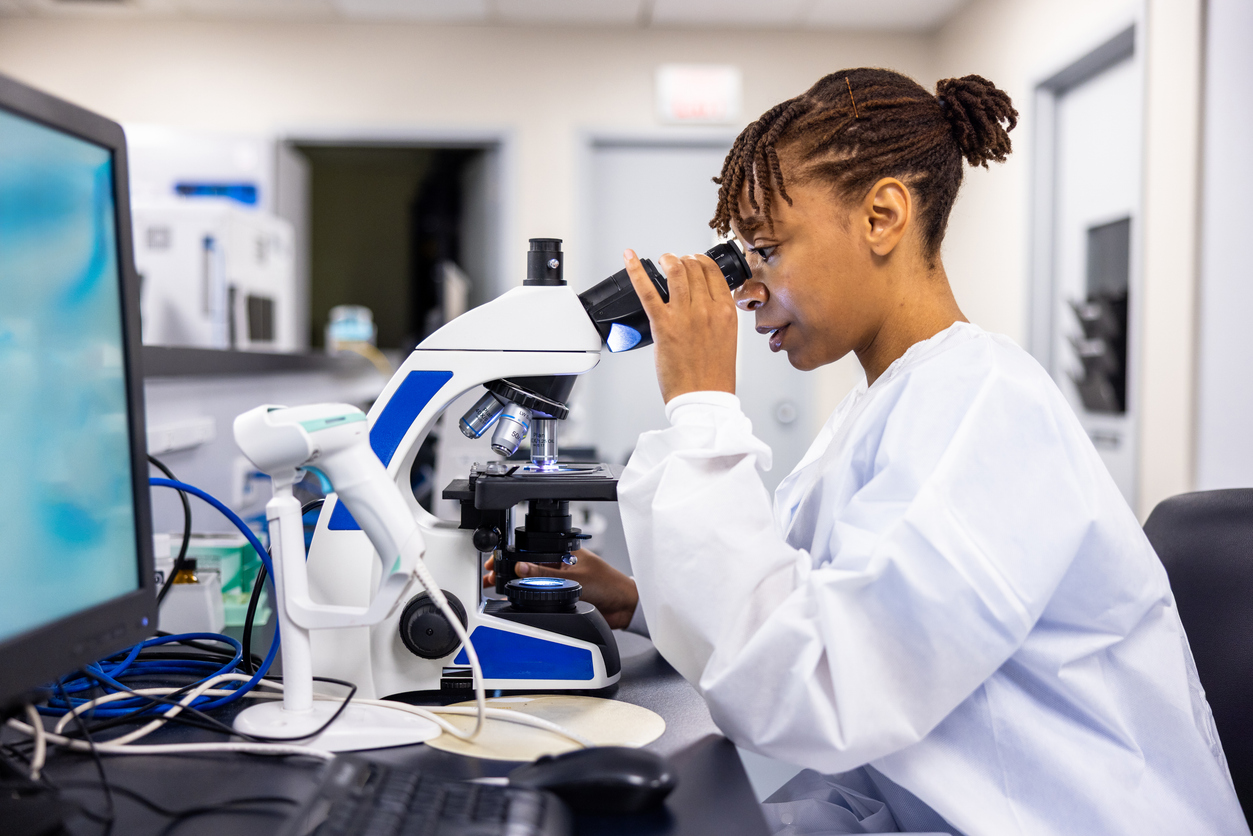
Forensic science technicians are often involved in both fieldwork and laboratory analysis. At crime scenes, they carefully gather evidence while following strict procedures to ensure accuracy and preserve the integrity of the evidence. In the laboratory, they examine that evidence using scientific methods and specialized tools.
Common responsibilities of a forensic science technician include the following:
-
Collecting and documenting physical evidence from crime scenes
-
Photographing and sketching scenes to capture important details
-
Analyzing physical evidence such as fingerprints, DNA, fibers and chemicals
-
Maintaining the chain of custody for evidence
-
Writing detailed reports of findings
-
Testifying in court as an expert witness
Attention to detail is critical to the role. Even minor errors in handling or documenting evidence can affect the outcome of a case.
Overall, a forensic science technician combines science, investigation and critical thinking to help uncover facts and support the legal process.
Day-to-Day Responsibilities
The daily work of a forensic science technician can vary depending on the case and work environment. Some days are spent at active crime scenes, while others are focused on detailed laboratory analysis.
In the field, forensic science technicians respond to crime scenes to collect and document evidence. This requires careful attention to detail and the ability to work in high-pressure or unpredictable situations.
In the laboratory, the focus shifts to analysis and interpretation. Technicians use specialized equipment and scientific methods to examine evidence and identify patterns or connections.
Throughout both fieldwork and laboratory work, forensic science technicians collaborate closely with law enforcement and legal professionals. Their ability to clearly document and communicate findings is essential to supporting investigations and court proceedings.
Work Environments and Industries
Forensic science technicians can work in various settings, depending on their specialization and employer. Many split their time between crime scenes and laboratory environments, while others focus primarily on one area.
Common work environments include the following:
-
Crime laboratories and forensic laboratories
-
Local, state or federal law enforcement agencies
-
Medical examiner or coroner offices
-
Government investigative agencies
-
Private forensic laboratories or consulting firms
In these roles, forensic science technicians may assist with criminal investigations, public safety efforts or legal proceedings. Some work directly in the field collecting evidence, while others specialize in laboratory analysis and reporting.
Education and Experience Requirements
Most forensic science technician roles require at least a bachelor’s degree in a related field. Common areas of study include criminal justice, forensic science, biology and chemistry. Ideally, these programs provide a strong foundation in both scientific principles and the criminal justice system.
Coursework often includes topics such as the following:
-
Criminal law and procedures
-
Evidence collection and handling
-
Biology and chemistry fundamentals
-
Forensic analysis techniques
In addition to formal education, hands-on experience is highly valuable. Many employers look for candidates who have completed internships, laboratory work or field-based training. These experiences help students develop practical skills and become familiar with real-world investigative processes.
Entry-level positions offer on-the-job training, but prior exposure to forensic methods can give candidates a competitive advantage. As professionals gain experience, they may choose to specialize in areas such as DNA analysis, toxicology and crime scene investigation.
Key Skills for Forensic Science Technicians
Success as a forensic science technician requires a combination of technical knowledge and professional skills. Because the role involves both scientific analysis and investigative work, attention to detail and accuracy are essential.
Forensic science technicians must be able to carefully examine evidence, identify patterns and draw logical conclusions. Even small details can be critical in an investigation, so precision is a key part of the job.
Important skills for this role include the following:
-
Analytical and critical thinking
-
Attention to detail
-
Problem-solving abilities
-
Strong written and oral communication
-
Organization and time management
-
Ability to work under pressure
Communication skills are especially important. Forensic science technicians must clearly document their findings and may be required to explain their analysis in court or during legal depositions.
In addition, ethical judgment and integrity are essential. Technicians must follow strict procedures and maintain objectivity to ensure that evidence is handled properly and results are accurate.
Salary and Job Outlook
A career as a forensic science technician offers competitive pay and strong job growth potential. Forensic science technicians earned a median annual salary of $67,440 in 2024, with higher earnings possible based on experience, specialization and location, according to the U.S. Bureau of Labor Statistics (BLS).
Salaries can vary depending on work setting. Technicians employed by federal agencies or in larger metropolitan areas often earn more, while entry-level roles or positions in smaller jurisdictions may start at a lower pay range.
The job outlook for forensic science technicians is especially strong, with the BLS projecting positions to increase by 13% between 2024 and 2034, far faster than the labor market as a whole. Increased reliance on scientific evidence in criminal investigations and advances in forensic technology are driving this growth.
As law enforcement agencies continue to adopt new tools and techniques, the demand for skilled professionals who can analyze and interpret evidence is expected to rise. This makes forensic science a promising career path for individuals interested in combining science with criminal justice.
Begin Your Future in Forensic Science
A career as a forensic science technician offers the opportunity to combine science, investigation and critical thinking to support the justice system. From collecting evidence at crime scenes to analyzing data in the laboratory, the role plays a vital part in uncovering the truth and ensuring accurate outcomes in criminal cases.
If you are interested in pursuing this path, a strong educational foundation is an important first step. The online B.S. in Criminal Justice from North Carolina Agricultural and Technical State University provides the knowledge and skills needed to prepare for careers in forensic science and related fields.
In the North Carolina A&T program, students develop a solid understanding of the criminal justice system while strengthening analytical, research and communication skills. Coursework is designed to prepare graduates for real-world investigative work, helping them understand how evidence is collected, analyzed and presented in legal settings.
The program’s online format also offers flexibility for students who are balancing work, family or other commitments. This allows you to advance your education while maintaining your current responsibilities.
If you are ready to take the next step toward becoming a forensic science technician, explore how North Carolina A&T’s criminal justice program can help you build the skills needed to succeed in this dynamic, impactful field.
Recommended Readings
What Can You Do With a Criminal Justice Degree?
What Is a Criminal Justice Degree?
Sources:
FBIJobs,gov, Forensics Careers
Indeed, How to Become a Forensic Science Technician in 5 Steps
Indeed, Learn About Being a Forensic Science Technician
Indeed, What Does a Forensic Technician Do? (With Skills and Salary)
My Next Move, Forensic Science Technicians
U.S. Bureau of Labor Statistics, Forensic Science Technicians
U.S. Drug Enforcement Administration, Forensic Sciences Careers