Forensic Anthropologist Career Overview
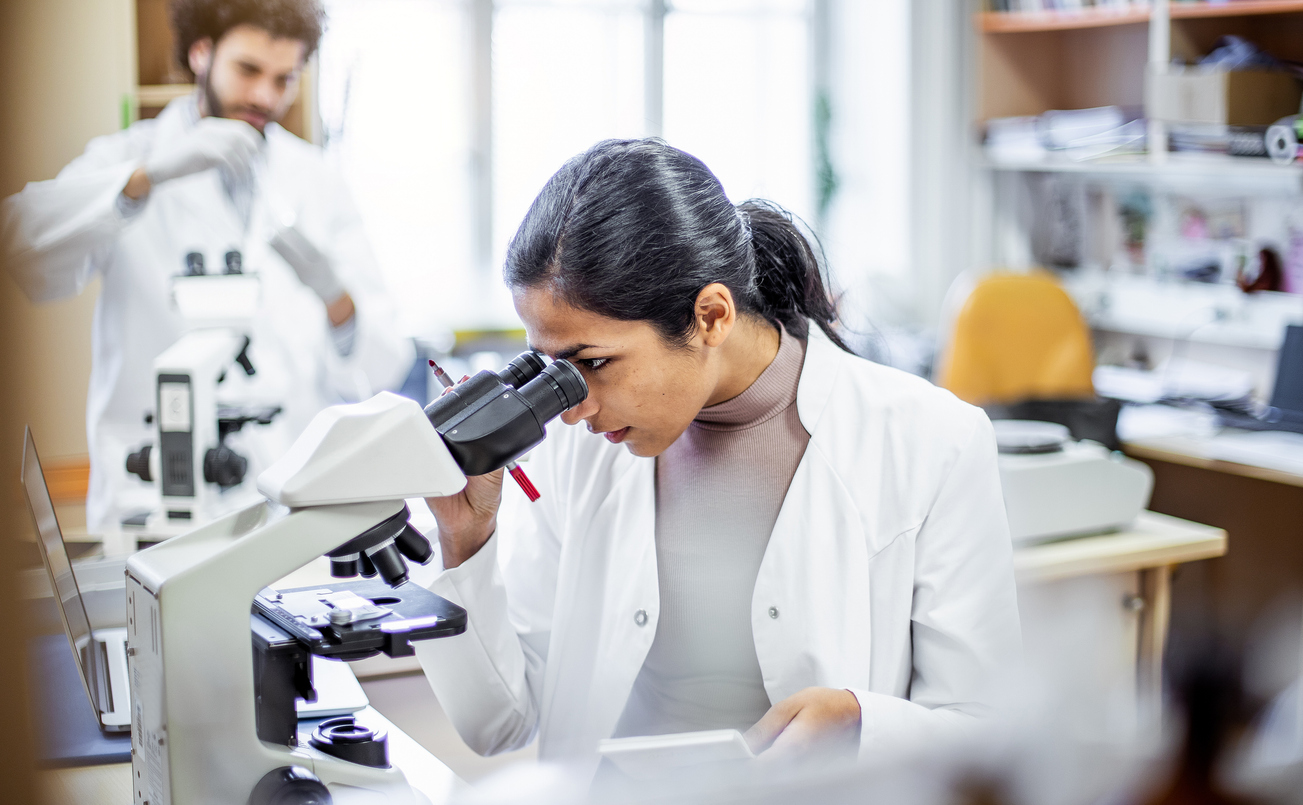
Uncovering the story behind human remains requires more than basic investigation. It takes specialized scientific expertise to analyze evidence, determine identity and determine what happened.
This is where forensic anthropologists play a critical role. These professionals use their knowledge of human anatomy and skeletal analysis to assist in criminal investigations, disaster response and victim identification. Their work often provides answers that are essential to both the legal system and grieving families.
If you’re interested in science, investigation and making a meaningful impact, you may be wondering what it takes to pursue this career. The path to becoming a forensic anthropologist is both challenging and rewarding, combining education, hands-on experience and specialized training.
Bachelor of Science (B.S.) in Criminal Justice programs provide a strong foundation for students interested in forensic and investigative careers. Consider what a forensic anthropologist does, typical responsibilities, work environments, required education, key skills, salary potential and job outlook.
What Does a Forensic Anthropologist Do?
Forensic anthropologists are specialists who analyze human skeletal remains to help determine identity and cause of death. Their work can be essential in cases in which remains are decomposed, damaged or otherwise difficult to identify through traditional methods.
Forensic anthropologists apply scientific techniques to examine bones and other physical evidence. By studying skeletal features, they can estimate biological characteristics such as age, sex, ancestry and stature. They may also identify signs of trauma or disease that provide clues about the cause of death.
The common responsibilities of a forensic anthropologist include:
-
Recovering and documenting human remains at investigation sites
-
Analyzing skeletal remains in a laboratory setting
-
Estimating biological profiles such as age, sex and ancestry
-
Identifying evidence of trauma, injury or pathology
-
Assisting in the identification of unknown individuals
-
Preparing detailed reports of findings
-
Testifying in court as an expert witness
Forensic anthropologists often work closely with law enforcement, medical examiners and other forensic specialists. Their ability to interpret physical evidence plays a key role in solving cases and supporting the justice system.
Day-to-Day Responsibilities
The daily work of a forensic anthropologist can vary widely depending on the case and work setting. Some days involve fieldwork at recovery sites, while others are spent in laboratories analyzing skeletal remains.
In the field, forensic anthropologists may assist in locating, recovering and documenting human remains. This process requires careful excavation techniques and precise documentation to preserve evidence.
The typical field responsibilities include:
-
Surveying and securing recovery sites
-
Excavating and collecting skeletal remains
-
Documenting findings through notes, photographs and sketches
-
Coordinating with law enforcement and forensic teams
In the laboratory, the focus shifts to detailed analysis. Forensic anthropologists examine bones to develop biological profiles and identify possible causes of death.
Laboratory-based tasks often include:
-
Cleaning and reconstructing skeletal remains
-
Analyzing bone structure and characteristics
-
Identifying trauma or signs of disease
-
Recording findings and preparing reports
Throughout both fieldwork and laboratory work, forensic anthropologists must maintain accuracy, follow strict protocols, and clearly communicate their findings to investigators and legal professionals.
Work Environments and Industries
Forensic anthropologists can work in various settings depending on their level of education and area of specialization. Many roles are connected to the criminal justice system, while others are in research and academic environments.
Common work environments include:
-
Medical examiner and coroner offices
-
Local, state or federal government agencies
-
Forensic laboratories
-
Universities and research institutions
-
Disaster response and recovery teams
In some roles, forensic anthropologists work directly alongside law enforcement to analyze remains and provide expert insight. In others, they may focus on research, teaching or consulting, helping advance forensic science methods or training future professionals.
Work environments range from controlled laboratory settings to outdoor recovery sites, which can be physically demanding and require travel. This variety makes the role well suited for individuals who are interested in both scientific analysis and investigative fieldwork.
Education and Experience Requirements
Becoming a forensic anthropologist requires a strong educational background in both science and the criminal justice system. Most professionals begin with a bachelor’s degree in a related field such as criminal justice, anthropology, biology or forensic science.
Undergraduate coursework typically includes:
-
Criminal justice principles and procedures
-
Human anatomy and osteology
-
Biology and chemistry
-
Forensic methods and evidence analysis
While a bachelor’s degree provides an important foundation, most forensic anthropologist roles require advanced education. Many professionals pursue a master’s degree or doctorate in forensic anthropology or a closely related discipline to gain specialized knowledge and research experience.
Hands-on experience is also essential. Internships, fieldwork, laboratory training and research opportunities help students develop practical skills and prepare for real-world applications. These experiences can also make candidates more competitive when applying for advanced programs or specialized positions.
Because this is a highly specialized field, building both academic credentials and practical experience is key to pursuing a successful career as a forensic anthropologist.
Key Skills for Forensic Anthropologists
Successful forensic anthropologists must combine scientific expertise with strong analytical and communication skills. Because the work involves careful examination of evidence, attention to detail is essential.
Forensic anthropologists must be able to interpret complex information and draw accurate conclusions from skeletal remains. This requires critical thinking and the ability to apply scientific methods to real-world situations.
Important skills for this role include:
-
Analytical and critical thinking
-
Attention to detail
-
Problem-solving
-
Strong written and verbal communication
-
Organization and time management
-
Working well under pressure
Communication skills are especially important. Forensic anthropologists must clearly document their findings and may be required to present their conclusions in legal settings, including testimony in courtrooms.
In addition, ethical responsibility is critical. Professionals in this field must follow strict protocols, maintain objectivity, and handle sensitive cases with professionalism and care. These skills ensure that their work supports accurate investigations and upholds the integrity of the legal process.
Salary and Job Outlook
Salaries for forensic anthropologists can vary widely based on education level, experience and work setting. Because this is a specialized field, many professionals work in roles related to anthropology, forensic science or higher education.
Forensic anthropologists earned a median annual salary of approximately $74,300 as of February 2025, according to Payscale. Those with advanced degrees, specialized expertise, or positions in federal agencies or research institutions may earn higher salaries.
The job outlook for the field is steady, with positions for anthropologists and archaeologists expected to increase by 4% between 2024 and 2023, according to the U.S. Bureau of Labor Statistics (BLS). Employment for anthropologists and related professionals is projected to grow as organizations continue to rely on scientific expertise for research, identification and investigative work.
Because forensic anthropology is a niche specialty, opportunities may be more limited than in broader criminal justice roles. However, individuals with advanced education, field experience and strong technical skills are more likely to find opportunities in government agencies, universities and specialized forensic teams.
For those passionate about combining science and investigation, this career offers a unique and meaningful path with opportunities for specialization and long-term growth.
Turn Science Into Answers and Impact
A career as a forensic anthropologist offers a unique opportunity to apply scientific knowledge to real-world investigations. From analyzing skeletal remains to supporting law enforcement and legal teams, this role plays an important part in uncovering the truth and bringing clarity to complex cases.
If you’re interested in pursuing this path, a strong academic foundation is essential. The online Bachelor of Science (B.S) in Criminal Justice at North Carolina Agricultural and Technical State University provides the knowledge and skills needed to begin your journey into forensic and investigative careers.
Through this program, students gain an understanding of the criminal justice system while developing critical thinking, research and analytical skills. This can prepare you for advanced study in forensic anthropology or related fields, as well as various roles within and beyond criminal justice.
The program’s flexible, online format also makes it easier to balance your education with work or other responsibilities. Whether you’re just starting out or looking to advance your career, this degree can help you take the next step.
Learn more about how North Carolina A&T’s criminal justice program can help you build the skills and experience to pursue a career as a forensic anthropologist.
Recommended Readings
What Can You Do With a Criminal Justice Degree?
What Is a Criminal Justice Degree?
5 Durable Skills for the Evolving Workplace
Sources:
Indeed, “Forensic Anthropologist: Salary and How to Become One”
Indeed, How to Become a Forensic Anthropologist (With Duties, Skills, and FAQs)
Indeed, What Does a Forensic Anthropologist Do? A Definitive Guide
National Institute of Justice, Overview of Forensic Anthropology
Payscale, Average Forensic Anthropologist Salary
U.S. Bureau of Labor Statistics, Anthropologists and Archaeologists